Pressing play loads the video from YouTube. Privacy
Digital and animated medicine information for children: enhancing engagement and adherence
- Steve TomlinDirector of the Children’s Medicines Research & Innovation Centre at Great Ormond Street Hospital

Key points
- Engaging children with information about their medicines helps them to take them, yet very little information actually engages them.
- The project is looking at QR codes on pharmacy labels that lead to many different digital, animated ways of learning about a medicine.
- Extensive engagement with children is shaping the content, balancing what they want to know with what professionals believe they need to know.
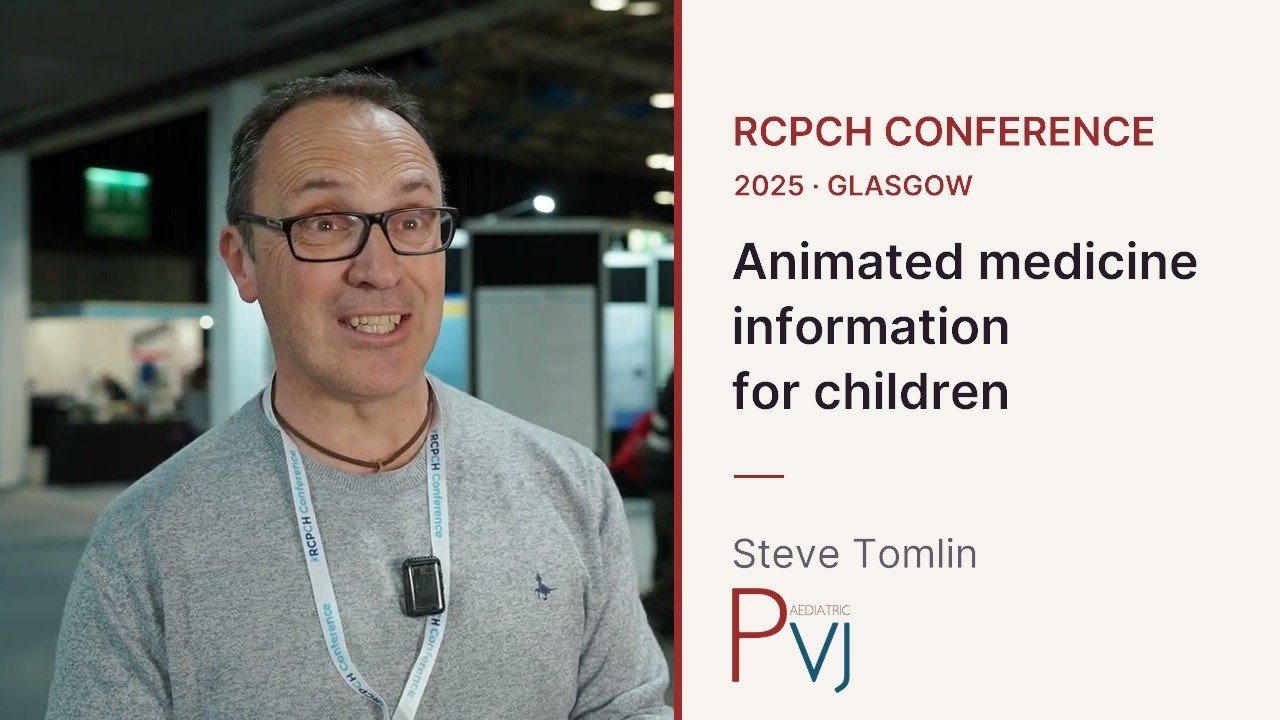
Steve Tomlin, Director of the Children’s Medicines Research & Innovation Centre at Great Ormond Street Hospital, discusses a pioneering project focused on delivering dynamic, animated, and digitally translated information about medicines directly to children. The initiative recognises that engaging children with information about their medicines improves adherence, yet there is currently very little material that truly captures their interest. Steve highlights the added challenge for those who cannot read or who speak other languages. The project is exploring the use of digital, animated content that can be accessed via QR codes placed on pharmacy labels. Extensive patient and public involvement and engagement (PPIE) work is underway, with children actively shaping the content—determining which aspects of medicine information are most important and relevant to them. The goal is to balance what children want to know with what healthcare professionals believe they need to know, ultimately improving long-term engagement and adherence. This interview took place at the RCPCH conference 2025 in Glasgow, Scotland.
Read the transcript
Automatic transcript, lightly edited for readability. It may contain errors, so check it against the video before quoting.
We are currently involved with some really exciting work to do with actually getting, I'm going to say, dynamic animated digital translated information to children. We know from lots of past work that engaging with children helps them to take their medicines and yet there is very little information that actually engages with them.
It's hard enough to engage with adults in terms of the patient information leaflet and everything like that. And also if you can't read or you speak another language, how do you know? It is time to go digital. Hopefully that helps the planet as well. But for children, you can make it that digital, animated and very engaged with them.
So what we're doing is loads and loads of PPIE work, lots of engagement with children. How do they want to know about their medicines? In what detail? Which aspects do they need to know about? And there's that balance between what they want to know and what we believe they need to know for them to take them well.
And so this project is very much looking at the technical end. How do they get to it? And we're looking at QR codes to go on the pharmacy labels at the moment. So when you dispense a medicine, put a QR code on it. And underneath that QR code, there are loads and loads of different ways of learning about your medicines. So really exciting working with the children and hopefully when we get an output of this, it will help with that engagement and that adherence to medicines in the long run.
Topics
Share
Cite this video
Steve Tomlin. “Digital and animated medicine information for children: enhancing engagement and adherence.” The Paediatric Video Journal, 23 June 2025. https://paediatricvj.com/videos/digital-and-animated-medicine-information-for-children-tomlin/
This interview is educational content intended for healthcare professionals and is not medical advice. Views expressed are those of the speaker. © The Paediatric Video Journal. All rights reserved.